
How fast can you deliver during a disaster?
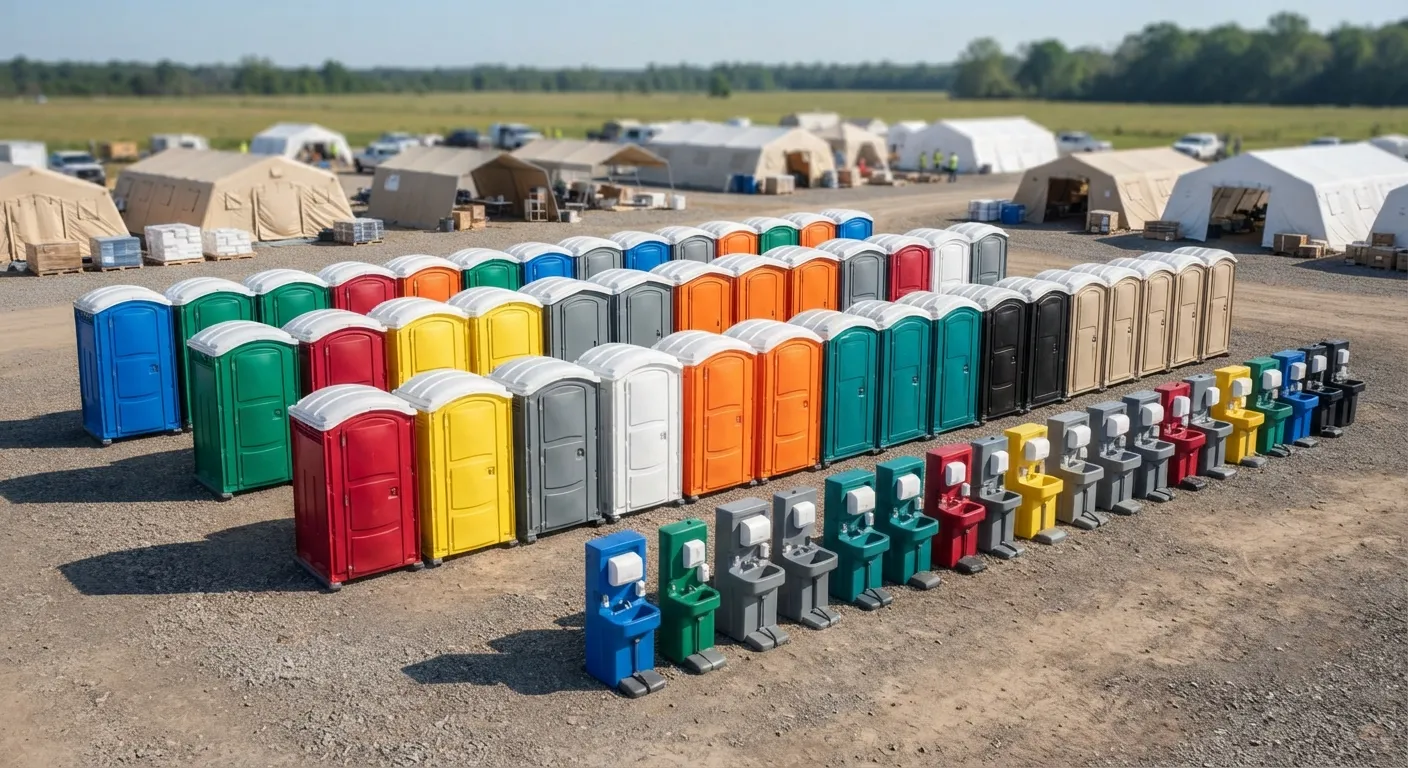
Fast is relative to what the roads look like. In a straightforward callout, Lee's Summit Porta Pros treats disaster requests ahead of routine portable toilet rental bookings, because a shelter without a working restroom becomes a health problem inside a day. A standard unit needs about 44 by 48 inches of ground space and stands roughly 92 inches tall, so placement next to a gym entrance or a church hall rarely needs much clearing. If debris blocks a normal delivery path, a driver may need the same 60 feet of straight clearance a roll-off dumpster rental truck needs, since both are box trucks maneuvering blind in reverse. For flooded or washed-out sites, ask about emergency porta potty rental options built around exactly this kind of short-notice call. Crews coming from Raytown, 7.5 miles northwest, or Blue Springs, 11.2 miles northeast, can usually reach a Lee's Summit staging site inside the same response window. If the disaster has damaged a private system entirely, emergency septic service and a temporary holding tank rental can bridge the gap until the property's own tank is repaired or pumped.
What sanitation setup does a shelter or command post actually need?
A shelter needs more than toilets. It needs handwashing, and it needs at least one accessible unit if it is serving the public. OSHA 1926.51(c) sets toilet ratios for construction crews working the debris cleanup itself, generally one facility for 20 workers or fewer, scaling up from there. A shelter isn't a construction site, but the same logic holds: undercount the units and lines back up fast. Every cluster of portable toilets should include an accessible unit under ADA Standards 213.2, which requires at least 5 percent of clustered units, and never fewer than one, to meet accessibility specs; see ADA accessible porta potty for what that unit includes. Handwashing is separate from the toilet itself. 29 CFR 1910.141(d)(2) requires soap and towels or a hand-drying device at any washing station, and hand sanitizer alone does not satisfy it, so a proper handwashing station rental matters more in a shelter than a sanitizer stand does. If cleanup crews are dealing with treated debris, mold treatments or downed power lines coated in fire-retardant chemicals, OSHA 1926.51(f)(1) applies specifically to washing after paint, coatings, herbicides or insecticides, and that's a different setup than general sanitation. Larger command posts often add a restroom trailer rental or a 4 stall restroom trailer when staff are on site around the clock.
What does disaster sanitation cost, and does insurance ever cover it?
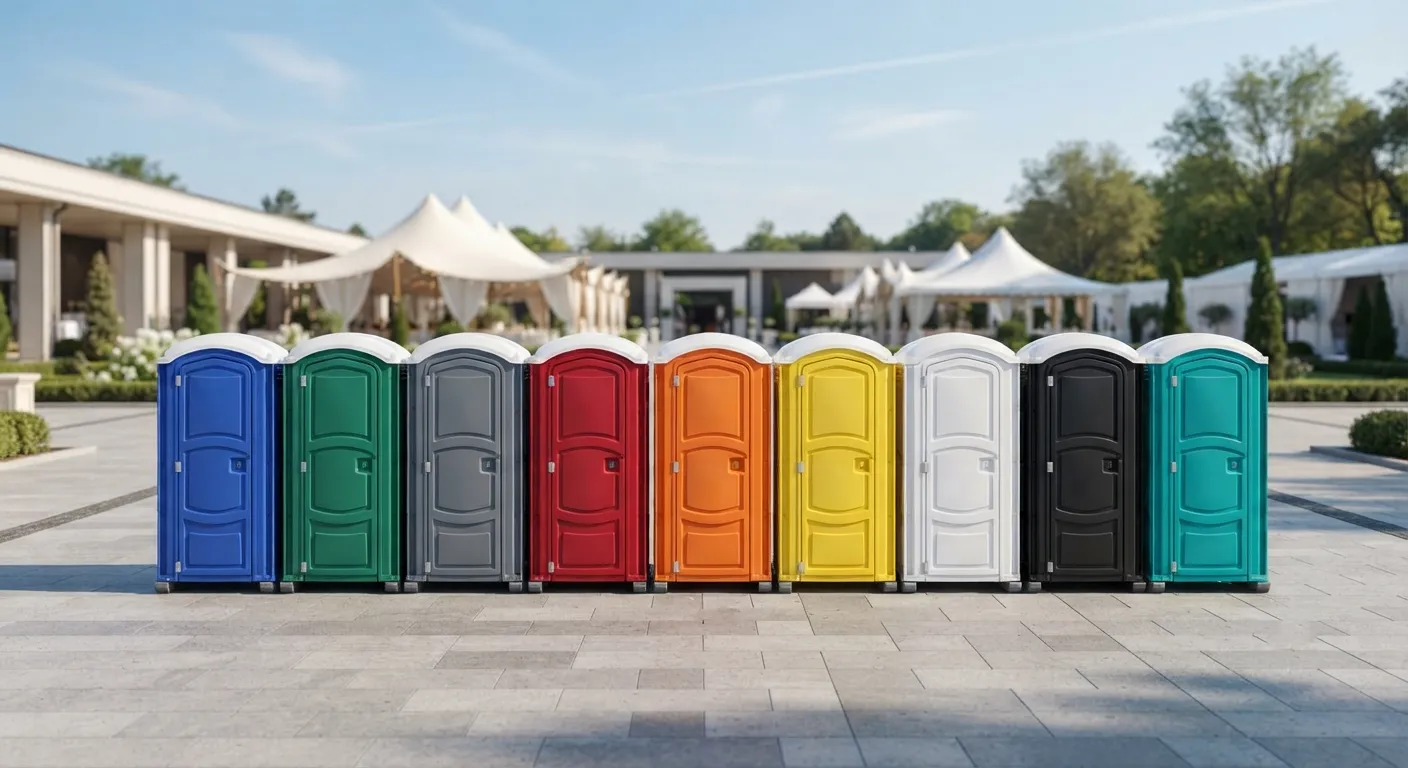
Pricing during a disaster response runs on the same bands as any short-term rental, though weekend and rush jobs sit at the top of the range. A standard unit rented by the day typically runs $100 to $350, and a weekend rate for the same unit runs $125 to $400. Delivery is usually billed separately.
| unit | duration | typical range |
|---|---|---|
| standard | day | $100 - $350 |
| standard | weekend | $125 - $400 |
| ada | day | $200 - $400 |
| delivery_fee | day | $100 - $500 |
| service_fee | day | $100 - $300 |
For a shelter running a week or more, ask about monthly porta potty rental rates instead of paying day rates repeatedly, since the per-day cost drops once the term stretches out. See porta potty rental cost and porta potty rental per day for a fuller breakdown of what drives the price up or down. Insurance and FEMA reimbursement questions are between the property owner or municipality and their carrier or agency; Lee's Summit Porta Pros can provide itemized invoices but does not make coverage determinations. Grease-heavy debris from a damaged restaurant or commercial kitchen falls under different rules than portable toilets; a grease interceptor is generally pumped once fats, oils, grease and solids hit 25 percent of liquid depth, and grease trap pumping covers that separately from disaster toilet service.
Do you provide sanitation for flooded septic systems?
Yes. A flooded or backed-up septic system often needs pumping before it can be inspected or repaired, and septic pumping service can run alongside portable toilet delivery so the household or business has a working restroom in the meantime. A residential tank is typically pumped every 3 to 5 years under normal use; flood damage can force an off-cycle pumping regardless of that schedule.
Can you set up sanitation for a temporary shelter on short notice?
Yes, within the limits of road access and crew availability. Most standard units can be delivered and placed the same day a shelter opens, though multi-unit sites benefit from a short call ahead so Lee's Summit Porta Pros can route the right truck and confirm ground access at the site.
What if the disaster site has no power or water?
Portable toilets and holding tanks don't need either. Handwashing stations run on their own water reservoirs, and portable sink rental units work the same way, so a fully self-contained sanitation setup is possible even when the grid is down.
How many units does a shelter of 100 people need?
Unit counts scale with population and hours of operation. Use how many porta potties do I need as a starting calculator, then adjust upward if the shelter is running 24 hours instead of a normal workday.
Do you serve areas outside Lee's Summit during regional disasters?
Yes. Crews already cover Raytown, Blue Springs, Grandview at 12.7 miles west, and Raymore at 13.5 miles southwest; check service areas for the full coverage map during a regional event.
Next step
Get a delivery date
Tell us the address, the dates and the headcount. We size the order and confirm the route.